Changing Season’s Immune Boosters

As the year draws to a close and the holiday season approaches, many people are focused on maintaining their health and well-being. With the changing seasons and the potential for cold and flu season, it’s crucial to bolster your immune system and stay on top of your health game. In this article, we’ll explore the top trending vitamins and supplements for November, based on what people are searching for online. These trending choices can help you make informed decisions to support your health during this time of year.

  1. Vitamin C: 

November marks the start of colder weather in many regions, and the holiday season brings its own share of stress and potential illnesses. That’s why vitamin C continues to be a top choice for people looking to strengthen their immune system. Known for its immune-boosting properties, vitamin C can help reduce the severity and duration of colds. Whether in the form of supplements or by increasing your consumption of citrus fruits and vegetables, this vitamin remains a must-have during November.

  1. Vitamin D: The Sunshine Vitamin

With reduced exposure to natural sunlight during the fall and winter months, vitamin D deficiency becomes a common concern. Many people turn to vitamin D supplements to maintain healthy bone and immune function. It’s advisable to check your vitamin D levels and consult a healthcare professional for personalized dosage recommendations.

  1. Zinc: The Cold Warrior

Zinc has been gaining popularity, especially during November, thanks to its potential in fighting off the common cold and other respiratory infections. This essential mineral plays a crucial role in supporting your immune system. It’s often found in combination with other vitamins and minerals in cold-fighting supplements.

  1. Elderberry: Nature’s Antioxidant

Elderberry supplements and syrups have been steadily growing in popularity during the fall and winter months. These dark purple berries are rich in antioxidants and are believed to help reduce the severity and duration of cold and flu symptoms. Elderberry supplements are available in various forms and are often taken as a preventive measure.

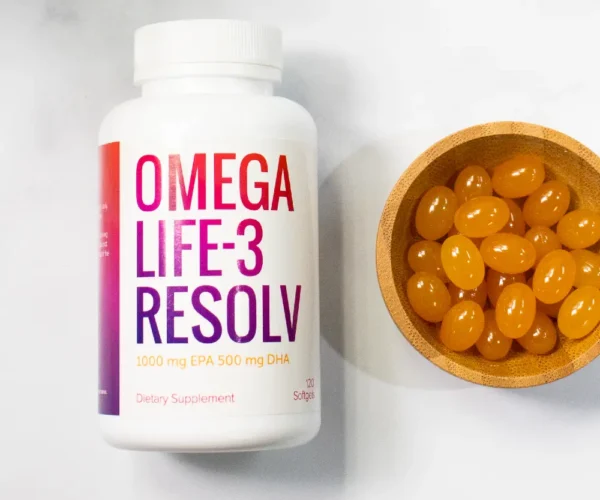
  1. Omega-3 Fatty Acids: Brain and Heart Health

The importance of omega-3 fatty acids, found in fish oil supplements and fatty fish like salmon, remains a constant trend. These healthy fats are known for their benefits in supporting heart health and cognitive function. During November, when we may indulge in holiday feasts, omega-3s can help balance our overall nutrition.

  1. Probiotics: Gut Health for the Holidays

With all the holiday treats and feasts, it’s crucial to maintain a healthy gut. Probiotic supplements continue to trend as people seek to support their digestive health. A balanced gut can contribute to overall well-being and a stronger immune system.

  1. Turmeric: The Anti-Inflammatory Superstar

Turmeric, a spice known for its anti-inflammatory properties, has gained popularity for its potential to alleviate joint pain and support overall well-being. Turmeric supplements are sought after by individuals looking for a natural approach to managing inflammation.

In November, as the weather gets colder and the holiday season kicks off, people are turning to vitamins and supplements to maintain their health and well-being.

 Unveiling the Remarkable Benefits of Fat-Soluble Vitamins

Vitamins are essential micronutrients that play a crucial role in maintaining our overall health and well-being. While most people are familiar with vitamins like vitamin C (ascorbic acid) and the B-complex vitamins, there’s another group of vitamins that often doesn’t receive as much attention but is equally important: the fat-soluble vitamins. In this blog, we at Panacea Online will explore the remarkable benefits of fat-soluble vitamins and why they are essential for your health.

What Are Fat-Soluble Vitamins?

Fat-soluble vitamins are a group of vitamins that are soluble in dietary fats and are absorbed through the intestinal tract with the help of dietary fat. Unlike water-soluble vitamins, which dissolve in water and are excreted by the body when consumed in excess, fat-soluble vitamins can be stored in the body’s fat tissues and the liver for longer periods.

The four primary fat-soluble vitamins are:

  1. Vitamin A (Retinol):
  2. Vitamin D (Calciferol):
  3. Vitamin E (Tocopherol):
  4. Vitamin K (Phylloquinone):

Now, let’s delve into the unique benefits of each fat-soluble vitamin:

1. Vitamin A: The Vision and Immunity Booster

Vitamin A is essential for maintaining healthy vision, especially in low-light conditions. It is also known for its role in supporting the immune system. Vitamin A is crucial for the production and functioning of white blood cells, which help the body fight infections. Additionally, it supports skin health and overall tissue repair.

2. Vitamin D: The Sunshine Vitamin

Vitamin D is often referred to as the “sunshine vitamin” because our bodies can synthesize it when our skin is exposed to sunlight. It plays a vital role in calcium absorption, which is essential for strong bones and teeth. Vitamin D also supports the immune system, cardiovascular health, and overall well-being.

3. Vitamin E: The Antioxidant Ally

Vitamin E is a potent antioxidant that helps protect cells from oxidative damage caused by free radicals. It supports skin health, plays a role in the immune system, and may have a protective effect against chronic diseases like heart disease and cancer. Vitamin E is also essential for healthy skin and eyes.

4. Vitamin K: The Blood Clotting Regulator

Vitamin K is crucial for blood clotting and bone health. It assists in the conversion of certain proteins involved in blood clot formation. Vitamin K also helps regulate calcium levels in the body, which is vital for bone health and may reduce the risk of osteoporosis.

The Benefits of Fat-Soluble Vitamins in General:

  • Long-Term Storage: Unlike water-soluble vitamins, fat-soluble vitamins can be stored in the body, allowing for a more extended period of time between intake and utilization.
  • Synergy with Dietary Fats: Fat-soluble vitamins are absorbed in the presence of dietary fats, making it essential to consume healthy fats as part of a balanced diet.
  • Cell and Tissue Health: These vitamins play a significant role in the health of your cells and tissues, ensuring they function optimally.
  • Protection Against Chronic Diseases: Some fat-soluble vitamins, such as vitamin E and vitamin D, have been associated with a lower risk of chronic diseases.

Fat-soluble vitamins may not always be in the spotlight, but their importance cannot be overstated. From maintaining vision to boosting immunity, supporting bone health to protecting against oxidative stress, these vitamins are essential for your well-being. Incorporating a balanced diet that includes healthy fats and a variety of foods rich in fat-soluble vitamins is a wise choice for maintaining your health and vitality.

Methylated B Vitamins: The Health Boost You Didn’t Know You Needed”

When it comes to maintaining optimal health and well-being, the importance of B vitamins cannot be overstated. These essential nutrients play a vital role in various bodily functions, from energy production to supporting a healthy nervous system. However, not all B vitamins are created equal, and methylated B vitamins have been gaining recognition for their enhanced effectiveness in promoting human health. In this blog, we’ll delve into what methylated B vitamins are and explore the numerous benefits they offer.

Understanding Methylated B Vitamins:

Methylated B vitamins are a form of B vitamins that are already in a bioavailable and active state, making them easier for the body to absorb and utilise. This is in contrast to non-methylated or synthetic B vitamins, which need to be converted by the body into their active forms before they can be used. Methylated B vitamins, such as methylfolate (active folate) and methylcobalamin (active B12), are particularly beneficial for individuals who may have genetic variations or conditions that affect their ability to convert non-methylated B vitamins into their active forms.

The Benefits of Methylated B Vitamins:

  1. Enhanced Bioavailability: Methylated B vitamins are readily absorbed and utilised by the body, which means you get more of the benefits without the need for conversion.
  2. Optimal Methylation: Methylation is a crucial biochemical process in the body that affects DNA repair, detoxification, and the production of neurotransmitters. Methylated B vitamins support this process, helping to maintain overall health.
  3. Cardiovascular Health: Methylated B vitamins can help lower homocysteine levels in the blood, reducing the risk of cardiovascular issues.
  4. Energy Production: B vitamins, especially B12, play a pivotal role in converting food into energy. Methylated B vitamins can provide a sustained source of energy and combat fatigue.
  5. Neurological Support: Methylated B vitamins, particularly B6 and B12, are essential for nerve function and can help support cognitive health, memory, and mood stability.
  6. Folate for Pregnancy: Methylfolate is the active form of folate, crucial for fetal development. It’s highly recommended for pregnant women to ensure proper neural tube formation in their babies.
  7. Immune Function: B vitamins support a healthy immune system, and the active forms are readily available for immune processes.

Who Should Consider Methylated B Vitamins?

While methylated B vitamins offer a multitude of benefits, they may be of particular interest to individuals who:

  • Have a genetic variation, such as MTHFR mutations, that affects their ability to convert non-methylated B vitamins.
  • Experience symptoms of fatigue, low energy, or cognitive impairment.
  • Are pregnant or planning to become pregnant, as adequate folate intake is crucial for foetal development.
  • Have a family history of cardiovascular issues or elevated homocysteine levels.

Methylated B vitamins are a game-changer for many individuals looking to optimise their health and well-being. Their enhanced bioavailability and ability to support a range of bodily functions make them an excellent choice for those seeking to bridge potential nutritional gaps. Whether you’re looking to combat fatigue, boost your mood, or support your overall health, methylated B vitamins are worth considering as part of your daily supplement regimen. Prioritise your health by exploring the benefits of these bioactive nutrients today!

Boost Your Winter Wellness with Mushroom Vitamins

 As the winter season sets in and the days get shorter, it’s crucial to fortify your immune system and overall well-being. One powerful ally in this quest for winter wellness is mushroom vitamins. Mushrooms have been valued for their health benefits for centuries, and modern science is uncovering a plethora of reasons to incorporate them into your daily supplement routine. In this blog post, the panacea online marketing team explore the incredible benefits of taking mushroom vitamins during the winter months.

  1. Immune System Support: The winter season brings with it a higher risk of colds and flu. Fortunately, certain mushroom varieties, such as Reishi, Shiitake, and Maitake, are renowned for their immune-boosting properties. These mushrooms contain beta-glucans, polysaccharides that stimulate the immune system, helping your body defend against common winter illnesses.
  1. Adaptogenic Properties: Mushrooms are natural adaptogens, meaning they help your body adapt to stress and maintain balance. In winter, when the body is exposed to various stressors like cold weather and seasonal changes, adaptogenic mushrooms like Cordyceps can play a crucial role in supporting your resilience and energy levels.
  1. Vitamin D Synthesis: Winter often means less exposure to sunlight, which can lead to lower levels of vitamin D. Certain mushroom species, such as the aptly named “sunshine vitamin” or D2 mushroom, can be an excellent source of vitamin D. Including mushroom vitamins in your routine can contribute to maintaining optimal vitamin D levels even when sunlight is scarce.
  1. Antioxidant Defense: Mushrooms are rich in antioxidants, compounds that help combat oxidative stress and inflammation in the body. This is particularly important during the winter season when environmental stressors and indoor activities can contribute to increased oxidative damage. Antioxidant-rich mushrooms like Chaga and Turkey Tail can offer valuable protection.
  1. Mood and Mental Well-being: The winter blues, or Seasonal Affective Disorder (SAD), can impact mood and mental well-being. Lion’s Mane mushroom is gaining attention for its potential cognitive benefits. It contains compounds that may support brain function and help alleviate symptoms of stress and anxiety, making it a valuable addition to your winter supplement regimen.

 Incorporating mushroom vitamins into your winter wellness routine can be a game-changer for your overall health. From immune support to mood enhancement, the benefits of mushrooms extend far beyond the kitchen. Choose a high-quality mushroom supplement from a reputable source to ensure you reap the full spectrum of health benefits.

Nurturing Your Postnatal Well-Being

The journey of motherhood is one of the most transformative experiences in a woman’s life. After giving birth, your body goes through numerous changes, and it’s essential to prioritize your well-being during the postnatal period. Postnatal vitamins, specially formulated to meet the unique needs of new mothers, can be a game-changer. In this blog, we’ll explore the benefits of postnatal vitamins and how they can support your health and recovery after childbirth.

What Are Postnatal Vitamins?

Postnatal vitamins are dietary supplements specifically designed for new mothers during the postpartum period. They provide essential vitamins and minerals that may be lacking in a mother’s diet or are needed in increased amounts during this crucial phase.

The Benefits of Postnatal Vitamins:

  1. Replenishing Nutrient Reserves: Pregnancy can deplete your body’s nutrient stores, and postnatal vitamins help replenish these reserves. Key nutrients such as folic acid, iron, and calcium are essential for your well-being as a new mother.
  2. Supporting Lactation: If you’re breastfeeding, your nutrient needs are even higher. Postnatal vitamins typically contain higher doses of certain vitamins and minerals, such as vitamin D and calcium, which are important for bone health and milk production.
  3. Hair and Skin Health: Pregnancy hormones can affect your hair and skin. Postnatal vitamins often contain biotin and other nutrients that support the health and appearance of your hair and skin.
  4. Energy and Recovery: The postpartum period can be physically demanding. Adequate nutrient intake is vital for energy production and postpartum recovery. Vitamins like B-complex and iron can help you regain your strength.
  5. Emotional Well-Being: Postnatal vitamins may include vitamins and minerals that support emotional well-being. For example, vitamin B6 is crucial for mood regulation and may help combat postpartum blues.
  6. Immune System Support: Caring for a newborn means that you need a strong immune system. Postnatal vitamins help support your immune health with key nutrients like vitamin C and zinc.
  7. Bone Health: Calcium and vitamin D are critical for bone health, and postnatal vitamins typically contain higher levels of these nutrients to help you maintain your bone density.
  8. Iron for Anemia Prevention: After childbirth, some women may be at risk of anemia due to blood loss. Iron in postnatal vitamins can help prevent or address iron-deficiency anemia.

Choosing the Right Postnatal Vitamins:

When selecting postnatal vitamins, consider the following factors:

  • Consult Your Healthcare Provider: Always consult your healthcare provider before starting any new supplement regimen. They can assess your specific needs and recommend the most suitable products.
  • Quality and Safety: Choose postnatal vitamins from reputable brands that adhere to quality standards and third-party testing for safety and efficacy.
  • Nutrient Composition: Look for a postnatal vitamin that provides the essential vitamins and minerals you need, taking into account your dietary restrictions and health concerns.
  • Form and Ease of Use: Some postnatal vitamins come in various forms, such as capsules, tablets, or gummies. Select the form that you find easiest to incorporate into your daily routine.

Postnatal vitamins are a valuable resource for new mothers during the postpartum period. They provide essential nutrients that support your physical and emotional well-being, energy levels, and overall recovery. Prioritizing your health is not only beneficial for you but also for your baby, as a healthy mother can better care for her little one.

 L-Carnitine: A Nutritional Elixir for Health and Fitness

In the world of health and fitness, certain supplements stand out for their incredible benefits. One such powerhouse is L-Carnitine, a naturally occurring compound in the body that plays a vital role in energy metabolism and overall health. In this blog, we’ll dive deep into the numerous benefits of L-Carnitine, revealing why it’s a must-have for anyone looking to optimize their well-being and fitness.

What is L-Carnitine?

L-Carnitine is a naturally occurring amino acid derivative found in high concentrations in the muscles, heart, and liver. It’s responsible for shuttling fatty acids into the mitochondria, where they are oxidized to produce energy. As a supplement, L-Carnitine is available in various forms, including L-Carnitine, L-Carnitine L-Tartrate, and Acetyl-L-Carnitine, each with unique benefits.

The Benefits of L-Carnitine

  1. Enhanced Fat Metabolism: L-Carnitine’s primary role is to facilitate the transportation of fatty acids into the mitochondria, where they are burned for energy. By optimizing this process, L-Carnitine can help your body tap into its fat reserves more effectively, making it a valuable tool for weight management and fat loss.
  1. Improved Exercise Performance: L-Carnitine supplementation has been linked to improved exercise endurance and performance. It helps reduce the accumulation of lactic acid in muscles, delays the onset of fatigue, and enhances energy utilization during physical activities. Athletes and fitness enthusiasts often turn to L-Carnitine to push their limits during workouts.
  1. Cardiovascular Health: L-Carnitine has been associated with better cardiovascular health. It may help reduce the risk of heart disease by lowering levels of triglycerides, a type of fat in the blood. Additionally, it can enhance the energy efficiency of the heart, supporting overall cardiac function.
  1. Brain Health: Acetyl-L-Carnitine, a form of L-Carnitine, has demonstrated its ability to improve cognitive function and support brain health. It can cross the blood-brain barrier and help combat age-related mental decline, making it an exciting supplement for those seeking cognitive enhancement.
  1. Improved Insulin Sensitivity: L-Carnitine has shown promise in improving insulin sensitivity, which is crucial for managing blood sugar levels and reducing the risk of type 2 diabetes.
  1.  Muscle Recovery: L-Carnitine L-Tartrate has anti-inflammatory properties that can aid in post-exercise muscle recovery. It reduces muscle damage and soreness, helping you bounce back quicker after strenuous workouts.
  1. Reduction of Muscle Soreness: L-Carnitine supplements have been linked to a reduction in post-exercise muscle soreness and damage. This is especially beneficial for those engaging in intense resistance or endurance training.
  1. Improved Fatigue Management: L-Carnitine can reduce physical and mental fatigue. Whether you’re an athlete looking to push through a grueling workout or an individual seeking more energy for daily tasks, L-Carnitine may be the answer.

Choosing the Right L-Carnitine Supplement

When considering L-Carnitine supplementation, it’s crucial to choose the appropriate form of L-Carnitine for your specific needs. For exercise performance and muscle recovery, L-Carnitine L-Tartrate is an excellent choice. If you’re focused on cognitive health and brain function, Acetyl-L-Carnitine may be the preferred option.

L-Carnitine is a versatile and potent supplement with a wide range of health and fitness benefits. Whether you’re striving to enhance your exercise performance, boost fat metabolism, or support heart and brain health, L-Carnitine can be a valuable addition to your daily regimen.

Unveiling the Marvels of L-Arginine 

In the realm of health and nutrition, L-arginine stands out as a remarkable amino acid with a wide range of benefits. It’s a naturally occurring compound that plays a crucial role in various bodily functions, from cardiovascular health to muscle development and beyond. In this blog, we will explore the many advantages of L-arginine and why it’s a valuable addition to your health and wellness journey.

What is L-Arginine?

L-Arginine is an amino acid that your body naturally produces and is also obtained from dietary sources. It’s a precursor to nitric oxide (NO), a molecule known for its role in dilating blood vessels, improving blood flow, and supporting various physiological processes.

The Benefits of L-Arginine

  1. Enhanced Cardiovascular Health: L-Arginine is best known for its ability to boost cardiovascular health. It stimulates the production of nitric oxide, which helps relax blood vessels and improve blood circulation. This can lead to reduced blood pressure, decreased risk of atherosclerosis (hardening of the arteries), and improved overall heart health.
  1. Improved Exercise Performance: L-Arginine’s role in enhancing blood flow makes it a valuable supplement for athletes and fitness enthusiasts. Improved circulation means better delivery of oxygen and nutrients to muscles, potentially leading to increased exercise performance, reduced fatigue, and quicker recovery after workouts.
  1. Wound Healing: L-Arginine promotes the production of collagen, a protein essential for skin and tissue repair. This makes it a useful supplement for wound healing, especially for those with chronic wounds or undergoing surgery.
  1. Immune Support: L-Arginine has been associated with immune system modulation. It plays a role in supporting the body’s defense against infections and diseases. However, it’s essential to maintain a balance, as excessive L-Arginine intake may weaken the immune response.
  1. Men’s Sexual Health: L-Arginine may help improve sexual function in men by increasing blood flow to the genital area. It’s often used as a natural remedy for erectile dysfunction.
  1. Assists with Weight Management: Some studies suggest that L-Arginine supplementation may help with weight loss by promoting fat metabolism and lean muscle mass development. It can also help regulate appetite and reduce food cravings.
  1. Blood Sugar Regulation: L-Arginine has shown promise in improving insulin sensitivity, making it a potential supplement for individuals at risk of or managing type 2 diabetes.
  1. Reduces Muscle Soreness: L-Arginine’s ability to increase blood flow and nutrient delivery to muscles can reduce post-exercise muscle soreness and speed up recovery.
  1. Supports Kidney Health: L-Arginine has been used to improve kidney function in some cases, particularly in individuals with kidney disease.

How to Incorporate L-Arginine into Your Diet

You can obtain L-Arginine through dietary sources such as nuts, seeds, meat, dairy products, and legumes. However, if you are looking to target specific health benefits, L-Arginine supplements are available. Consult with a healthcare professional before adding any new supplement to your diet, as individual needs may vary.

L-Arginine is a versatile amino acid with a multitude of health and wellness benefits, from cardiovascular support to exercise performance enhancement and more. When incorporated into your health and fitness routine, it can help you achieve your goals and boost your overall well-being. However, moderation is key, as excessive intake can lead to adverse effects.

  Healing Power of Chaga Mushroom Supplements

In the world of nutrition and natural health remedies, few ingredients have garnered as much attention as Chaga mushrooms. With their impressive array of health benefits, Chaga mushroom supplements have become a popular choice among health-conscious individuals. In this blog, we’ll delve into the fascinating world of Chaga mushrooms and explore their numerous health benefits.

What is Chaga Mushroom?

Chaga, scientifically known as Inonotus obliquus, is a type of fungus that grows primarily on the bark of birch trees in cold climates, including parts of Russia, Siberia, and North America. Known as the “King of Medicinal Mushrooms,” Chaga has been used for centuries in traditional medicine for its health-boosting properties.

Health Benefits of Chaga Mushroom Supplements

  1. Immune System Support

One of the most significant advantages of Chaga mushroom supplements is their ability to bolster the immune system. Chaga is rich in beta-glucans, a type of polysaccharide that helps regulate the immune response. By enhancing the body’s natural defence mechanisms, Chaga can help protect against infections and illnesses.

  1. Antioxidant Powerhouse

Chaga mushrooms are packed with antioxidants, including superoxide dismutase, which can help combat oxidative stress and free radical damage. These antioxidants can neutralize harmful molecules that contribute to ageing and chronic diseases, making Chaga a powerful ally in the fight against premature ageing and various health issues.

  1. Anti-Inflammatory Properties

Chronic inflammation is a common contributor to many health problems, from arthritis to heart disease. Chaga mushroom supplements have been shown to possess anti-inflammatory properties, helping to reduce inflammation throughout the body and potentially alleviate symptoms of inflammatory conditions.

  1. Support for Digestive Health

Chaga can promote digestive health by soothing the gastrointestinal tract and supporting beneficial gut bacteria. It may help alleviate issues like gastritis, indigestion, and heartburn, making it an excellent choice for those with digestive concerns.

  1. Potential Cancer-Fighting Effects

While more research is needed, some studies suggest that Chaga mushrooms may have anticancer properties. Compounds found in Chaga, such as betulinic acid, have shown promise in inhibiting the growth of cancer cells and may be a valuable addition to conventional cancer treatments.

  1. Adaptogenic Benefits

Chaga mushrooms are considered adaptogens, which means they can help the body adapt to stress and maintain balance. In today’s fast-paced world, the adaptogenic properties of Chaga can be particularly valuable for stress management and overall well-being.

Chaga mushroom supplements offer a plethora of health benefits, from immune system support to antioxidant protection and potential anticancer effects. As the interest in natural health remedies continues to grow, Chaga mushrooms have earned their place in the spotlight for their remarkable healing properties. Consider incorporating Chaga supplements into your daily regimen to experience the many advantages that this “King of Medicinal Mushrooms” has to offer.

Add to cart